L1 Performing Arts l lasic-licence-l1-as@univ-grenoble-alpes.fr
L2-L3 Performing Arts l lasic-licence-l2-l3-as@univ-grenoble-alpes.fr
Tel.: 04 57 42 25 54
The Performing Arts courses provide a general knowledge of theater and cinema, and an introduction to a range of careers in the performing arts sector.
Training
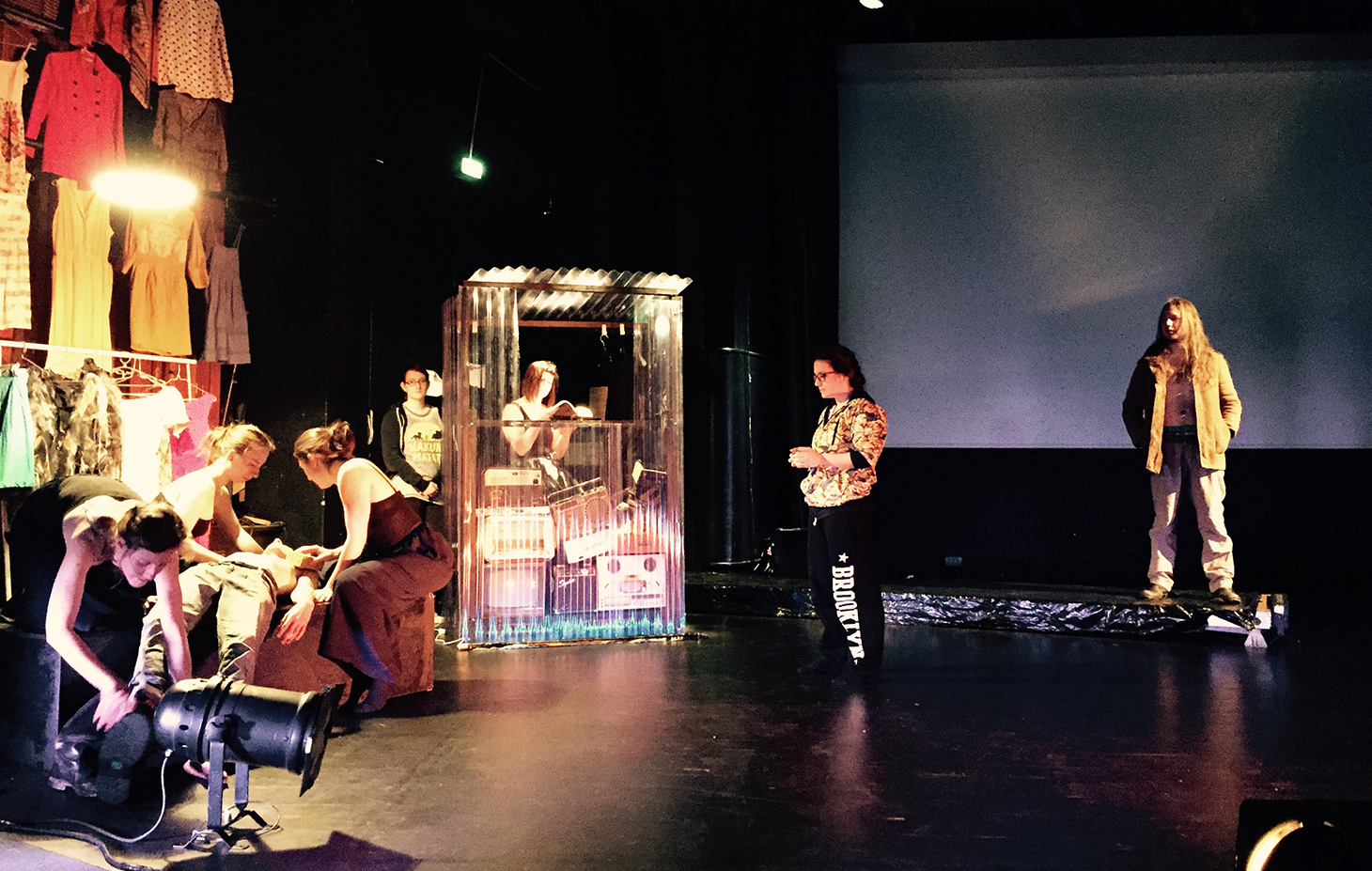
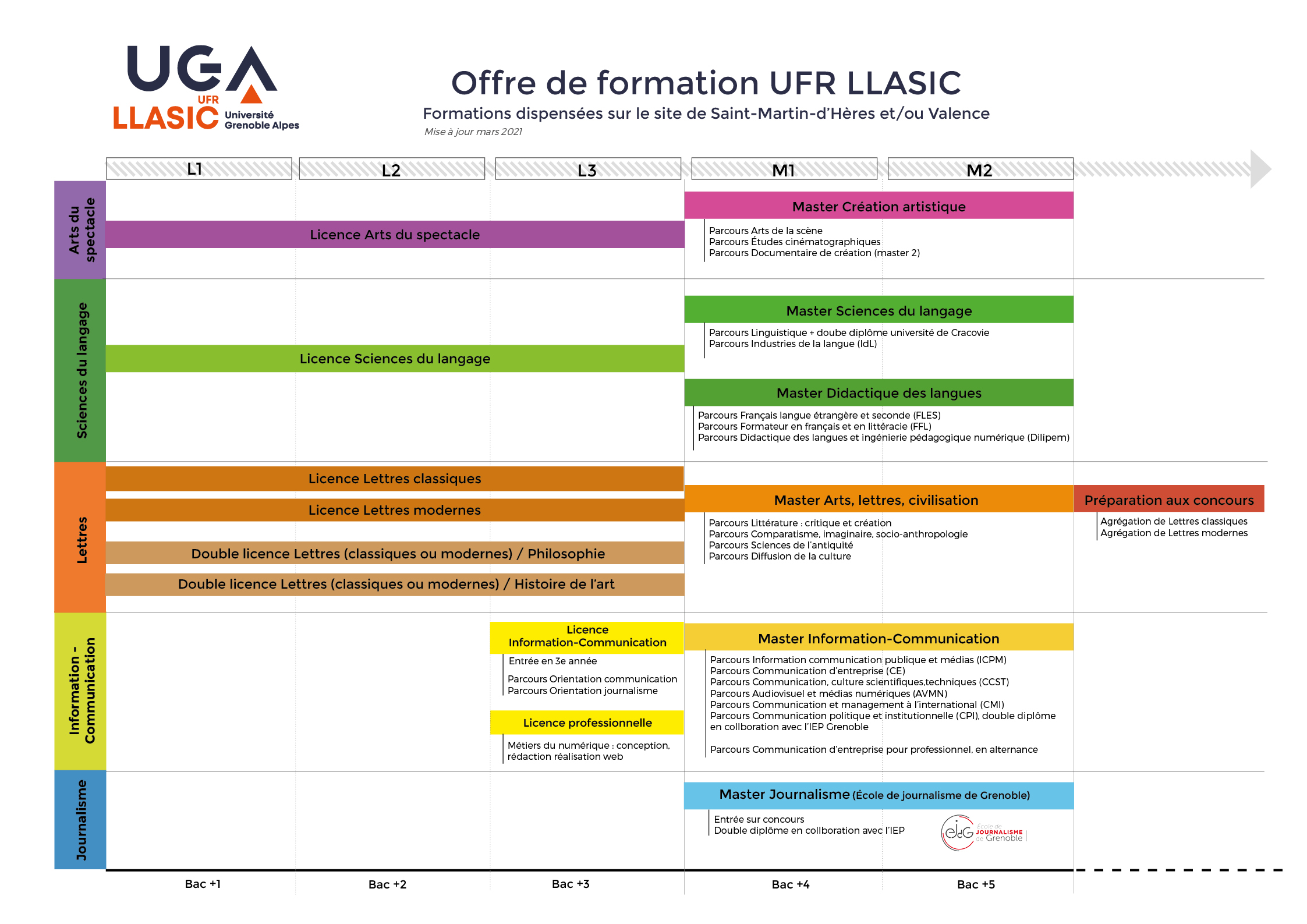
The courses offered in Performing Arts bachelor's degreecombine theoretical knowledge (history and aesthetics, text studies, show analyses, cultural policies), and thehands-on experience (acting, stage management, staging, programming or directing workshops, etc.), and include a pre-professionalization component (budget management, administration, mediation, IT, etc.). In Grenoble, students can follow a Licence Performing Arts program, and in Valence, a Licence Performing Arts - Modern Literature.
For further studies, the Master's degree in artistic creation is a particularly original option in the panorama of national training programs. Open to the contemporary world, it offers the opportunity to acquire in-depth theoretical, aesthetic and critical knowledge of works of art and the creative processes involved in their production, an understanding of production and distribution contexts, and the ability to experiment with creative practicesby taking into account the latest thinking in the fields covered by its three courses:
Share linkCopyCopyClose modal windowShare this page URLI recommend this page:Available at this address :The page will then be accessible from your "My favorites" menu.Stop videoPlay videoMute soundPlay soundChat: Got a question?Chatbot Robo FabricaMatomo visitor statisticsX (formerly Twitter)